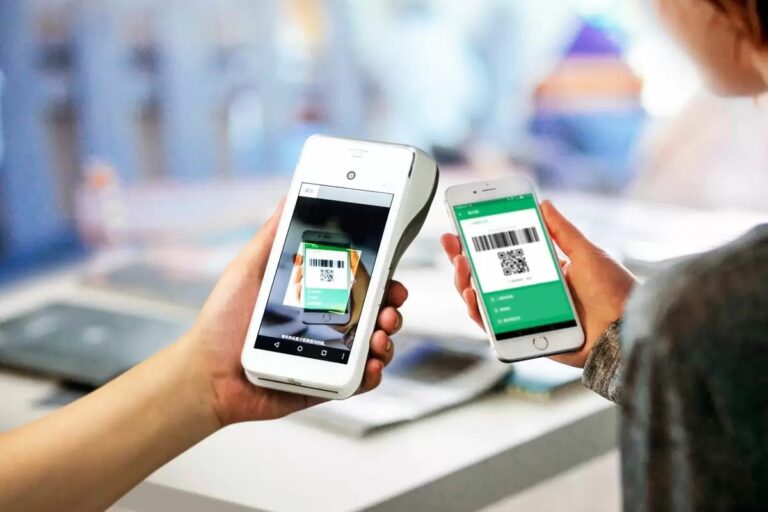
Choosing the best payment terminal for your business is no longer just about accepting card payments—it’s about speed, security, flexibility, and customer experience. The right payment terminal can streamline your operations, reduce checkout times, and help your business grow. What Makes a Payment Terminal the “Best”? The best payment terminal is one that fits your …
Choosing the best payment terminal for your business is no longer just about accepting card payments—it’s about speed, security, flexibility, and customer experience. The right payment terminal can streamline your operations, reduce checkout times, and help your business grow.
What Makes a Payment Terminal the “Best”?
The best payment terminal is one that fits your business model and customer needs. Whether you run a retail store, restaurant, or mobile service, a modern payment terminal should offer:
Multiple payment options – Accept debit cards, credit cards, contactless payments, mobile wallets, and QR codes.
Fast and reliable performance – Quick transaction processing keeps lines moving and customers happy.
Strong security features – PCI compliance, encryption, and fraud protection are essential.
Ease of use – A simple interface for both staff and customers reduces errors and training time.
Business integration – Compatibility with POS systems, inventory management, and accounting software.
Benefits of Using the Right Payment Terminal
Investing in the right payment terminal delivers real business advantages:
Improved customer experience with smooth, hassle-free payments
Increased sales by offering customers their preferred payment methods
Better cash flow management with fast settlements and clear transaction reports
Scalability as your business grows or adds new locations
How to Choose the Best Payment Terminal for Your Business
When selecting a payment terminal, consider:
Your business size and industry
In-store vs. mobile payment needs
Transaction volume
Budget and ongoing fees
Customer payment preferences
Final Thoughts
The best payment terminal for your business is one that combines reliability, security, and flexibility while enhancing the overall customer experience. By choosing the right solution today, you set your business up for smoother operations and long-term success.
If you want this rewritten to be more sales-driven, shorter, SEO-optimized, or tailored to a specific industry (retail, restaurant, small business, etc.), just tell me 👍
You have not enough Humanizer words left. Upgrade your Surfer plan.
1200 words
Absolutely — here’s a ~1200-word, professional, SEO-friendly article on “Best Payment Terminal for Your Business” that works well for websites, blogs, or marketing content.
Best Payment Terminal for Your Business
In today’s fast-paced, digital-first economy, the way your business accepts payments can directly impact customer satisfaction, operational efficiency, and overall profitability. Customers expect fast, seamless, and secure transactions—whether they are shopping in-store, ordering food, or paying on the go. This makes choosing the best payment terminal for your business not just a technical decision, but a strategic one.
A modern payment terminal does far more than process card payments. It acts as a central tool for managing transactions, integrating with business systems, and improving the checkout experience. With so many options available, understanding what to look for and how to choose the right solution is essential.
What Is a Payment Terminal?
A payment terminal is a device that allows businesses to accept electronic payments from customers. These payments may include debit cards, credit cards, contactless cards, mobile wallets (such as Apple Pay or Google Pay), and QR-based payments. Payment terminals can be countertop-based, mobile, or fully integrated into a point-of-sale (POS) system.
Modern payment terminals are designed to be fast, secure, and adaptable, supporting multiple payment methods and offering advanced features that help businesses operate more efficiently.
Why Choosing the Right Payment Terminal Matters
Selecting the best payment terminal for your business has a direct influence on both customer experience and internal operations. A slow or unreliable terminal can frustrate customers, cause long queues, and even lead to lost sales. On the other hand, a reliable and feature-rich payment terminal can enhance trust, speed up transactions, and improve overall efficiency.
Some key reasons why the right payment terminal matters include:
Customer satisfaction: Faster and smoother checkouts lead to happier customers.
Revenue growth: Accepting multiple payment options increases the likelihood of completed sales.
Operational efficiency: Integration with POS and accounting systems saves time and reduces errors.
Security and compliance: Advanced security features protect both your business and your customers.
Key Features of the Best Payment Terminal for Your Business
Not all payment terminals are created equal. The best solution depends on your specific business needs, but there are several essential features every modern payment terminal should offer.
1. Multiple Payment Methods
Customers expect flexibility when paying. The best payment terminals support:
Debit and credit cards
Contactless (tap-to-pay) cards
Mobile wallets
QR code payments
Offering multiple payment options ensures you never lose a sale due to limited payment methods.
2. Speed and Reliability
Transaction speed is critical, especially in high-volume environments like retail stores and restaurants. A reliable payment terminal processes transactions quickly and minimizes downtime, helping your business run smoothly even during peak hours.
3. Strong Security Features
Security is non-negotiable. The best payment terminals offer:
PCI compliance
End-to-end encryption
Tokenization
Fraud detection and prevention tools
These features protect sensitive customer data and help maintain trust in your brand.
4. Ease of Use
A user-friendly interface benefits both staff and customers. Simple navigation, clear prompts, and intuitive design reduce training time and minimize errors at checkout.
5. Integration Capabilities
Modern businesses rely on connected systems. The best payment terminal integrates seamlessly with:
POS systems
Inventory management software
Accounting and reporting tools
Customer loyalty programs
Integration helps streamline operations and provides valuable insights into business performance.
Types of Payment Terminals
Understanding the different types of payment terminals can help you choose the best option for your business.
Countertop Payment Terminals
These are ideal for fixed locations such as retail stores, supermarkets, and offices. They are reliable, powerful, and often connected via Ethernet or Wi-Fi.
Mobile Payment Terminals
Mobile terminals are perfect for businesses on the move, including delivery services, pop-up shops, and outdoor events. They use cellular networks or Wi-Fi and offer flexibility without compromising functionality.
Integrated POS Terminals
These terminals combine payment processing with point-of-sale functionality. They are popular in restaurants, cafés, and larger retail environments where inventory and order management are essential.
Benefits of Using the Best Payment Terminal for Your Business
Investing in the right payment terminal delivers both short-term and long-term benefits.
Improved Customer Experience
Fast and flexible payment options reduce waiting times and make the checkout process more enjoyable. Customers are more likely to return when their payment experience is smooth and stress-free.
Increased Sales and Conversion Rates
When customers can pay how they want, they are less likely to abandon a purchase. Supporting contactless and mobile payments can significantly boost conversion rates.
Better Cash Flow Management
Modern payment terminals provide faster settlements and detailed transaction reports. This gives businesses greater visibility into revenue and improves financial planning.
Enhanced Business Insights
Advanced reporting features allow businesses to track sales trends, peak hours, and customer behavior, enabling smarter decision-making.
Scalability and Growth
The best payment terminals grow with your business. Whether you open new locations or expand services, a scalable payment solution ensures consistency and efficiency.
How to Choose the Best Payment Terminal for Your Business
Choosing the right payment terminal requires careful consideration of your business needs.
1. Understand Your Business Type
A small retail shop, a restaurant, and a mobile service provider all have different requirements. Identify whether you need a fixed, mobile, or integrated solution.
2. Analyze Customer Payment Preferences
Look at how your customers prefer to pay. If contactless and mobile payments are popular, ensure your terminal fully supports them.
3. Consider Transaction Volume
High-volume businesses need terminals that can handle frequent transactions without delays or errors.
4. Review Costs and Fees
Beyond the initial cost, consider transaction fees, maintenance costs, and software updates. The best payment terminal balances affordability with performance.
5. Evaluate Support and Reliability
Reliable customer support is essential. Choose a provider that offers prompt technical assistance and regular updates.
Future-Proofing Your Business with the Right Payment Terminal
Payment technology continues to evolve. The best payment terminal for your business should be future-ready, supporting new payment methods and software upgrades as they become available. Features like cloud connectivity, remote updates, and advanced analytics ensure your business stays competitive in a changing market.
Adopting a modern payment terminal today positions your business to adapt quickly to future trends, including digital wallets, biometric authentication, and data-driven personalization.
Conclusion
Choosing thebest payment terminal for your business is an investment in efficiency, security, and customer satisfaction. The right solution simplifies transactions, enhances the checkout experience, and provides valuable insights that help your business grow. By focusing on speed, security, flexibility, and integration, you can select a payment terminal that meets your current needs while supporting future expansion. In a world where convenience and trust matter more than ever, the right payment terminal is not just a tool—it’s a competitive advantage.
Frequently Asked Questions (FAQs)
1. What is a payment terminal?
A payment terminal is a device that allows businesses to accept electronic payments such as debit cards, credit cards, contactless payments, mobile wallets, and QR code payments. It securely processes transactions and transfers payment information between the customer, bank, and merchant.
2. How do I choose the best payment terminal for my business?
The best payment terminal depends on your business type, transaction volume, and customer payment preferences. Consider whether you need a countertop, mobile, or integrated POS terminal, along with features like speed, security, ease of use, and system integration.
3. Can payment terminals accept contactless and mobile payments?
Yes, modern payment terminals support contactless payments such as tap-to-pay cards and mobile wallets like Apple Pay, Google Pay, and Samsung Pay. Offering these options improves convenience and speeds up checkout.
4. Are payment terminals secure?
Yes, reputable payment terminals use advanced security measures such as PCI compliance, encryption, and tokenization to protect sensitive customer data. These features help prevent fraud and ensure safe transactions.
5. What types of businesses can use payment terminals?
Payment terminals are suitable for almost all businesses, including retail stores, restaurants, cafés, supermarkets, salons, healthcare providers, and mobile businesses like delivery services or pop-up shops.
6. Do payment terminals work without internet access?
Most payment terminals require an internet connection to process transactions. However, some terminals offer offline or store-and-forward modes that allow limited transactions to be completed and processed once the connection is restored.
7. How much does a payment terminal cost?
The cost of a payment terminal varies depending on the model, features, and provider. Businesses should consider upfront costs, transaction fees, maintenance charges, and software update fees when evaluating options.
8. Can a payment terminal integrate with my POS system?
Yes, many modern payment terminals integrate seamlessly with POS systems, inventory management tools, and accounting software. Integration helps streamline operations and reduces manual data entry.
9. Are mobile payment terminals reliable for daily use?
Mobile payment terminals are designed for reliability and are widely used by delivery drivers, service professionals, and small businesses. With stable connectivity and battery life, they are suitable for daily transactions.
10. Why is choosing the right payment terminal important?
Choosing the right payment terminal improves customer experience, speeds up transactions, enhances security, and supports business growth.