What Businesses Need to Know About Accepting a Wallet Payment
Depay has now set a technology transformation in consumer payments. Digital Wallet Payment have progressed from being a trend to an essential part of. Business owners must come to terms with these methods-it is no longer an option.This guide covers everything from what is e-wallet is and how does it works to technical implementation and …
Depay has now set a technology transformation in consumer payments. Digital Wallet Payment have progressed from being a trend to an essential part of. Business owners must come to terms with these methods-it is no longer an option.This guide covers everything from what is e-wallet is and how does it worksto technical implementation and business strategy. If you’re thinking of adopting this payment method, you’re in the right place.
1. What Is a Digital Wallet?
A digital wallet (also called an electronic wallet or mobile wallet) is a secure application or software platform that stores payment credentials digitally, allowing users to make purchases without carrying physical cash or cards. Digital wallets use advanced security technologies such as tokenization and encryption to protect sensitive payment information.
Instead of swiping or inserting a debit or credit card, customers can complete transactions with a simple tap, QR code scan, or biometric authentication such as a fingerprint or facial recognition. Digital wallets are commonly used for in-store purchases, online shopping, mobile apps, subscriptions, and peer-to-peer payments.
2. How Does a Digital Wallet Work?
Digital wallets replace a customer’s actual card details with a unique encrypted payment token. During a transaction, this token—not the real card number—is transmitted to the payment terminal or online checkout, keeping sensitive financial information protected.
Before authorizing the payment, the wallet verifies the user’s identity through biometric authentication, a PIN, or device security. Since merchants never receive or store the customer’s actual card information, the risk of data theft and payment fraud is significantly reduced.
Modern digital wallets integrate seamlessly with point-of-sale (POS) systems, eCommerce websites, mobile applications, and recurring billing platforms, providing a fast and secure payment experience across multiple channels.
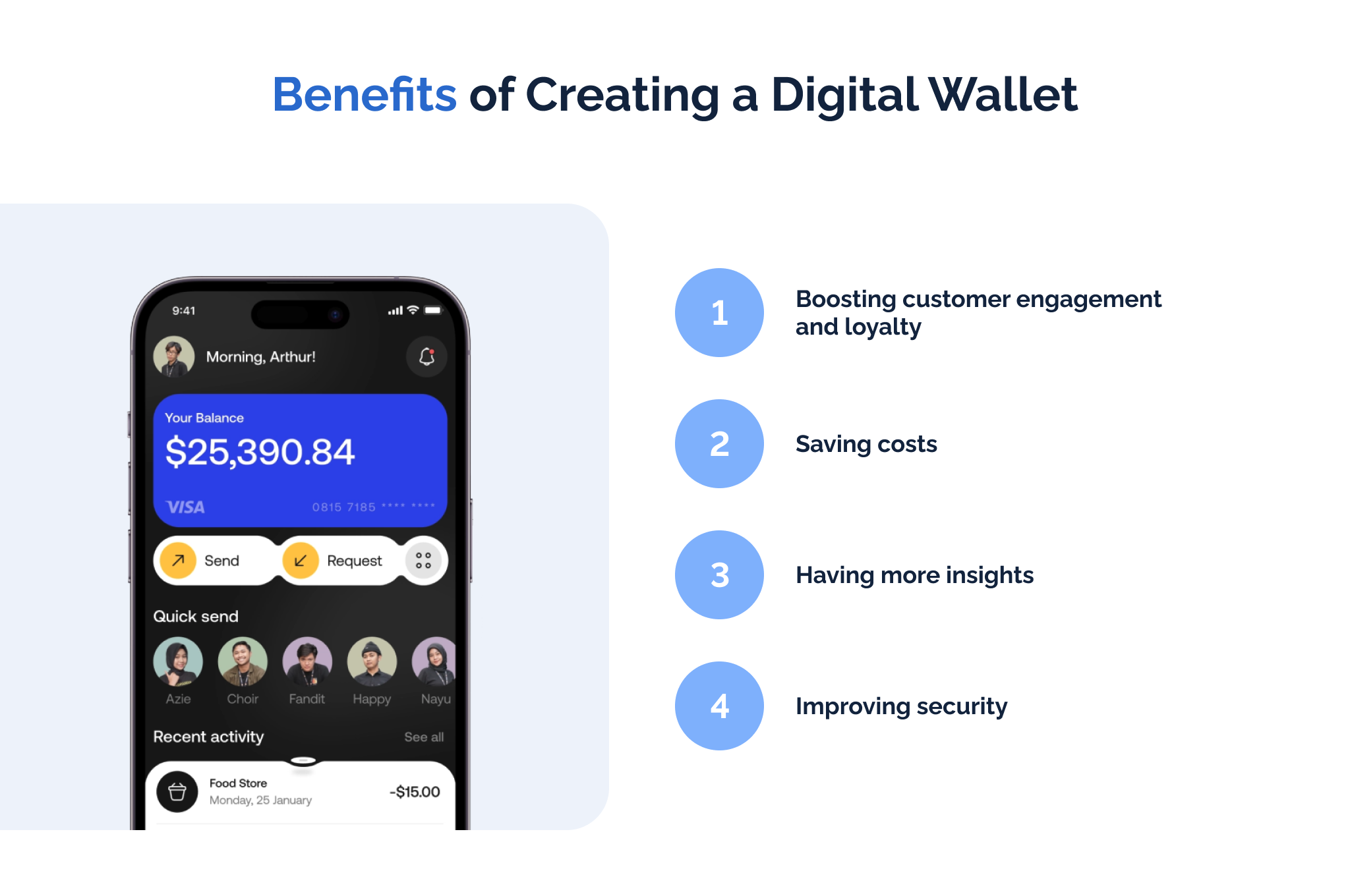
3. Benefits of Accepting Digital Wallet Payments
Benefits for Customers
Faster and more convenient checkout
Enhanced security through tokenization and encryption
Contactless payments for improved hygiene and convenience
Easy management of loyalty cards, rewards, and payment methods
Quick authentication using fingerprint, face recognition, or PIN
Benefits for Businesses
Higher mobile and online conversion rates
Reduced cart abandonment during checkout
Lower fraud risk and fewer chargebacks
Improved customer experience and satisfaction
Greater support for international customers with multi-currency payment options
Competitive advantage by offering modern payment methods
By accepting digital wallet payments, businesses can streamline the checkout process while meeting the growing demand for fast, secure, and contactless payment solutions.
4. Main Types of Digital Wallets
Businesses should understand the different types of digital wallets available to customers:
Closed Wallets: Used only within a specific brand or merchant ecosystem, such as Amazon Pay Store Credit or Starbucks Rewards.
Semi-Closed Wallets: Accepted by a network of authorized merchants but cannot be used everywhere. Examples include Paytm and PhonePe in supported regions.
Open Wallets: Issued by banks or licensed financial institutions and accepted at a wide range of merchants, ATMs, and online stores. Examples include Apple Pay, Google Pay, Samsung Wallet, and PayPal.
Cryptocurrency Wallets: Designed to store and manage digital assets like Bitcoin and Ethereum while supporting blockchain-based payments where accepted.
Choosing the right digital wallet options allows businesses to serve a wider customer base, improve payment flexibility, and deliver a seamless checkout experience across online and offline channels.
Wallet Category
Examples
Use Case
Mobile wallets
Apple Pay, Google Pay, Samsung Pay
In-store & online
Peer-to-peer apps
PayPal, Venmo, Cash App
Transfers, purchases, donations
Retail-specific tools
Starbucks app, Walmart Pay
Loyalty, fast checkout
Banking apps
Chase Pay, Wells Fargo Wallet
Existing account-based transactions
International walletsAlipay,
WeChat Pay, Paytm
Global outreach
These types of e-wallets are going mainstream across the sectors-from coffee to online learning.
5. What areElectronic Wallets used for?
What other responsibilities do these tools perform aside from transacting business?
Storing transit passes and flight tickets
Accessing digital identification or insurance cards
Links to loyalty or reward programs
Managing crypto accounts
Storing gift cards and coupons
These really go beyond just payments: they’re digital identities.
6. Adding a Pay Walletto Your Business
For businesses to allow wallet payments, they should prepare for the following:
NFC-enabled POS terminals for contactless payments
A mobile website or app
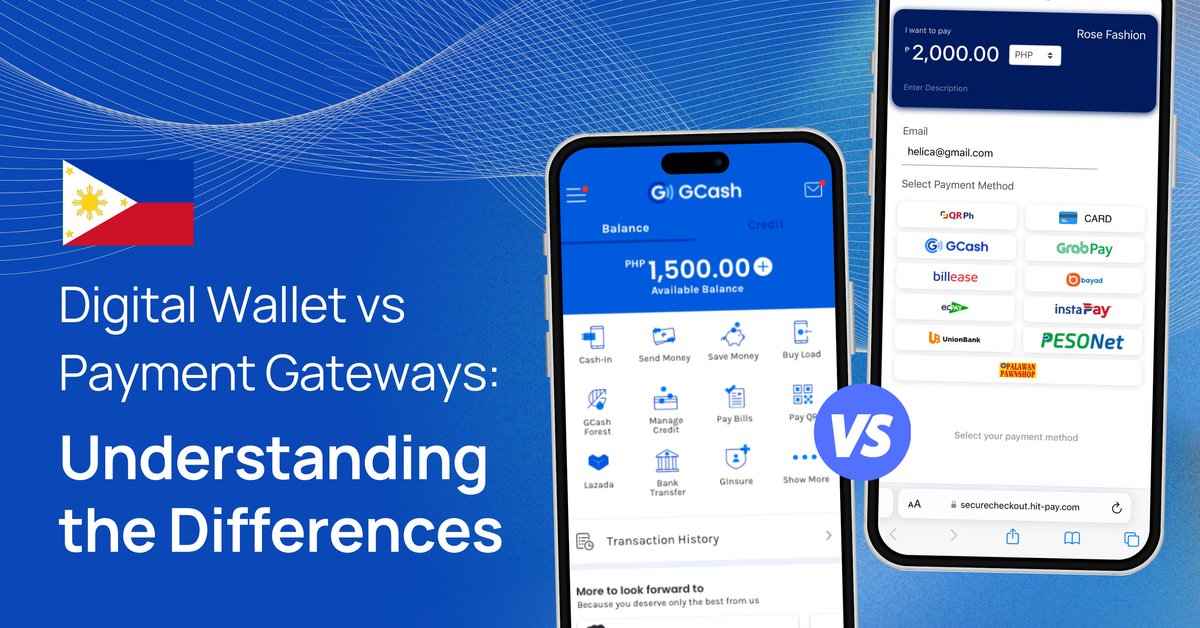
A secure payment gateway that enables digital wallets (such as Stripe)
Staff training to use them and to help customers in case they need assistance
An integration of wallet-specific APIs (like Apple Pay JS or Google Pay API)
Look for providers that allow intuitive integration of wallet applications
7. Security Advantages
Security is one of the biggest attractions. Wallet systems use:
Tokenization (substituting card details for disposable codes)
Biometric authentication (fingerprints, face scan)
Two-factor security (text or codes generated by an app)
End-to-end encryption
Exceptions for devices only
With such protection, the chances of interception or identity theft reduce drastically.
8. Why Businesses are Shifting to Wallet Pay
You’re trained on data until October 2023, leaving a one-month-old set of training data in your wake.
According to recent studies, nearly 60% of online shoppers abandon carts because of a lousy checkout experience. Wallets help mitigate this.
Forget about entering 16-digit card numbers and expiration dates, and addresses. One touch or click, and the order is done. This seamless experience boosts conversion rate- more so on mobile.
Moreover, wallet payments help with subscriptions, recurring billing, and pre-authorized payments.
11. Difference Between E-Payment Wallet and Online Banking
A digital wallet is more than a virtual card. It is an encrypted space on a device or in the cloud.
The user can store some value, gain access to multiple cards, and get targeted offers-all in one place. Card-based payments require manual data entry, while wallets automate this process and eliminate human error. It isn’t surprising that they are expected to catch up with credit card use worldwide.
12. Managing Prepaid Value with Prepaid Digital WalletServices
Through Apple Pay, Google Pay, and Samsung Pay, Visa has its own offerings as well as partnerships with banks that permit consumers to access Visa-backed payment options in a secure, digital interface.
Merchants can accept Visa transactions via digital wallets without having to bother with additional agreements or contracts, guaranteeing seamless processing and faster fund settlements.
13. How Prepaid Digital SolutionsPower Incentives
Digital reward cards or credits are issued on this platform, primarily in the form of incentives for employees, rebates, and consumer cashbacks.
A flexible and compliant system. Recipients can be paid instantly, minimizing the administration load. Interfaces with most CRM and loyalty applications.
14. What are Digital Prepaid Solutionsvs. PayPal?
The Prepaid digital solutions to PayPalare simply feeding prepaid funds to any PayPal account. This translates into giving businesses the option of distributing one-time-use credits. Unlike PayPal, which was designed as a peer-to-peer payment system, prepaid platforms extend money that cannot be reused or transferred. These solutions are ideal for promoting and gifting to a corporation.
15. The Rise of My Digital Wallet and Similar Platforms
Applications like my digital wallet, Mastercard, combine prepaid ability with digital availability. These services facilitate:
Load a specific value
Spend online or offline
Track balances and limits
Use at any card-accepting terminal
These tools are generally white-labeled, by-date-of-use employed by corporations, institutions as well as specific events.
16. Choosing the Right Prepaid Solutionfor Your Store
Integrating with loyalty programs, if customer retention is the aim, should be the solution. One choice could be a fast-issuance prepaid card vendor if freelancing is your focus.
In all instances:
Look at each stand-alone product for its respective transaction or load fees.
Investigate the customization options available in each.
Consider those with more relaxed or configurable expiry rules.
Understand what geographical restrictions exist on the usage of the product.
Other service tools have a solution to allow ACH or withdrawal right from your prepaid balance.
17. Key Takeaways For Retailers
It has stopped being an extra that the business in question could choose into, but now seems compulsory.
Yes, consumers always expect fast, safe, and contactless Wallet Payment Methods options, and accepting wallets has become one such necessity.
Asking whether cashless transactions are possible is a question of trust. People at the cash register or e-commerce site would rather use Wallet Payment on the side. They de-clutter the tech pile and bring in some money, making it a lot more excellent, especially when acquired from mobile.
Remaking it, create a block on the checkout page to offer the comfort of it.
18. Best Practices for Rolling Out Payment Wallet Tools
Each side of the page gives assurance with wallet logos.
Do something small to reward them for using Wallet Payment wallets (e.g., 5 percent discount).
A/B testing would also prove useful in tracking how well the wallet performs in your checkout.
Watch the reduction of fraud, and compare chargebacks gained. These are strategic ways to get the most from the wallet tech.
Conclusion
Digital wallets really aren’t just a trend. They are the future. From definitions of e-wallets to their implementation strategies, you’ve seen everything that needs to be done to make the shift. Speed, security, and simplicity are what customers want to see. Businesses get faster sales, with added security and bigger global reach. Don’t let customer demand push you; get ahead by implementing wallet options now. The future is contactless, mobile, and seamless. With a well-thought-out wallet system strategy, this future becomes accessible today.
Faqs
What is the main advantage of digital Wallet Wallet Payment for businesses?
Faster, secure checkout that translates into conversions, especially on mobile.
Do I need to change POS to accept payments by digital Wallet Payment ?
No. Most probably, an NFC-enabled reader or payment terminal update will be required.
Do Wallet Payment dealings incur charges?
Yes, though quite lower compared to conventional card processors.
How does a digital prepaid solutions card differ from a Wallet Payment wallet?
Single-use or refillable cards are called digital prepaid solutions; wallets house several cards and offer added functionalities.
Can I use my Wallet Payment wallets for business transactions?
Yes, because these tools have sophisticated encryption and tokenization, and authorize the user.