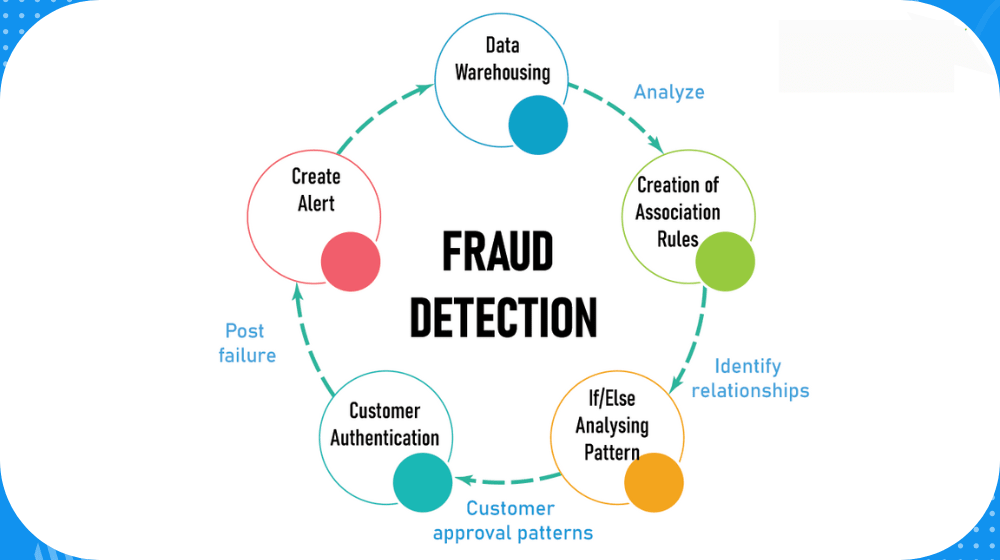
Fraud prevention solutions are the advanced tools and mechanisms to prevent any unauthorized access, identity theft, and financial crimes before they materialize. These solutions are inclined toward implementing artificial intelligence, device intelligence, and behavioral analytics to detect red flags in their infancy. While many financial institutions and businesses use real-time data, location analysis, and identity verification to limit risk and protect customer data, these implementations consist of a mix of software-based solutions and policy-based actions.
ID Fraud Prevention
ID Fraud Protection
In 2026, ID fraud protection combines identity verification, continuous monitoring, and risk-based authentication to prevent unauthorized access and account takeover. Common methods include two-factor authentication (2FA), passkeys, biometric verification, device intelligence, and checks against trusted identity documents or databases.
Modern fraud prevention systems can analyze login behavior, device changes, unusual locations, and transaction patterns in real time. When suspicious activity is detected, users may receive an immediate alert or be required to complete additional verification before accessing the account or making a high-risk transaction.
Protection for Identity Theft
Protection for identity theft focuses on detecting the misuse of personal information, including Social Security numbers, credit information, email addresses, and other sensitive data. In 2026, identity monitoring services can scan credit activity, public records, and known compromised-data sources to identify potential exposure.
Many services also provide alerts when new accounts, credit inquiries, or other suspicious activity appear. Some providers offer identity restoration assistance, helping affected consumers work with credit bureaus, financial institutions, and other organizations to recover their identity.
Theft ID Protection
Theft ID protection uses preventive tools such as identity alerts, credit freezes, account monitoring, password security, and secure storage of sensitive information. These measures can help reduce the risk of traditional and synthetic identity fraud.
Synthetic identity fraud occurs when criminals combine genuine personal information with fabricated details to create a false identity. Consumers can reduce their exposure by monitoring credit reports, enabling account alerts, using strong authentication, and reviewing unexpected account openings or credit inquiries promptly.
ID Theft Protection
ID theft protection can provide monitoring and recovery assistance when someone’s personal information is misused. Depending on the provider and plan, services may include identity monitoring, fraud alerts, credit monitoring, restoration support, and identity-theft insurance.
Some providers offer 24/7 assistance and dedicated case managers to guide victims through the recovery process. These services can be particularly useful for people who regularly use online financial services, share personal information across multiple platforms, or have experienced a data breach.
Best Practices for ID Fraud Protection in 2026
For stronger identity security in 2026, consumers should:
Use passkeys or multi-factor authentication whenever available.
Keep operating systems, browsers, and security software updated.
Monitor credit reports and financial accounts regularly.
Enable alerts for new accounts and unusual transactions.
Use unique passwords with a reputable password manager.
Avoid sharing Social Security numbers and sensitive information unnecessarily.
Freeze credit when appropriate, especially after suspected identity theft.
Be cautious of phishing emails, fake login pages, and unsolicited verification requests.
Review data-breach notifications and change exposed credentials immediately.
No identity protection service can guarantee complete protection from fraud. The most effective approach combines monitoring, strong authentication, cautious online behavior, and rapid action when suspicious activity is detected.
Fraud Prevention
In looking at particular types of identity protection, identity fraud prevention actually accounts for transaction risk analysis, customer behaviour modeling, and fingerprinting of devices. These systems serve as detection mechanisms for abnormal behavior, all of which may indicate fraudulent activity. These include multi-layer security that increasingly banks have been depending upon to build trust in the financial system while at the same talisman reducing their digital fraud prevention losses.
Debit Card Protection
All debit cards are protected from theft or unauthorized access to funds that are directly linked to checking or savings accounts. The setup process involves instant transaction alerts, daily withdrawal limits, and geo-restriction as far as card use is concerned. Other banks today have gone ahead to introduce virtual debit cards for online purchases, and that will give an extra protection against breaches in data.
Identity Theft Protection UK
For people in the United Kingdom, identity theft protection UK services implement both the GDPR and FCA regulations. These monitor national databases and provide tailored digital fraud prevention score alerts to notify customers of possibly suspicious changes in their credit histories or public records. UK-based services tend to work in conjunction with local credit agencies and are often complemented by rapid response mechanisms such as notifying police or banks.
Debit Card Fraud Prevention
Fraud on debit cards is when someone uses your debit card information, without your authority, to purchase items or withdraw cash. This is how these transactions differ from credit card fraud: With debit card fraud, detection is much more difficult because the funds are directly removed from your active checking account. Advanced fraud prevention detection tools now track ATM usage patterns, IP address locations, and sometimes even specific device locations to catch these incidents before losses escalate.
Fraud on Debit Card
When handling any debit card fraudulent activity, it’s always best to report unauthorized debit transactions once they’re noticed. Most banks have zero liability provided you act in good time. Digital wallets such as Apple Pay and Google Wallet help reduce these risks by preventing merchants from receiving card numbers for the purchase.
Fraud Prevention Credit Card
A fraud protection credit card’s benefit is complete transaction behavior monitoring. They can also temporarily lock the card if a transaction appears suspicious, requiring the user to verify the activity. Some even offer features such as dark web monitoring or notifications of data breaches as extra perks.
Credit Card with Fraud Protection
Using a credit card that has digital fraud prevention defense ensures you are not liable for unauthorized charges. Look for cards that offer alerts almost instantly and have a reliable customer service with a quick response time. Many premium cards also provide their users with a feature to create temporary numbers to use during a purchase on the internet.
Fraud Protection on Credit Cards
It is possible to attain a high-speed security application in credit-card digital fraud prevention when it comes to real-time monitoring or monitoring of the activity of that credit card account. As a result, it will send you a transaction alert where you will identify the purchases made using your card. If you find out that there are indeed purchases made that you didn’t, then you could immediately freeze the card or inform the provider. Tokenization and EMV chip technologies have demonstrated prospects as useful elements in reducing the disruptive footprint against digital fraud prevention risk.
Fraud Protection for Credit Cards
Usually, credit cards come along with fraud defense: stealing electronic data and a chargeback assistance for cases of fraudulent emergencies. These services assured the preservation of consumer trust and loyalty amid competitive banking environments. Frequent travelers tend to give priority to such specific protections, given the high risk of these types of transactions.
Credit Card Fraud Protection
Advanced fraud prevention engines powered by machine learning may also constitute a credit card fraud defence. These compare the pattern of behavior of ten thousand users, devices, and locations, predicting that certain actions would be deemed unusual. Firms will also be able to feed such systems into their checkout to prevent fraud in real-time within typical transactions.
Credit Cards with Fraud Protection
Most banks provide credit cards, which offer clients bundled fraud defense features into their reward programs. Not only do clients earn points, but they also gain their coveted peace of mind because of the included security features. These facilities come especially in handy during online shopping and in peak travel seasons.