The financial landscape is rapidly changing, with digital payments being the heart of this metamorphosis. People want expedient, safe, and easy transactions, whether it is for a cup of coffee or paying for goods across the globe. Companies leveraging online payment are ahead of everyone else. This article will explain everything that you need to …
The financial landscape is rapidly changing, with digital payments being the heart of this metamorphosis. People want expedient, safe, and easy transactions, whether it is for a cup of coffee or paying for goods across the globe. Companies leveraging online payment are ahead of everyone else. This article will explain everything that you need to know about setting up, using, and the benefits of an appropriate digital payment technology.
What Is a Digital Payment?
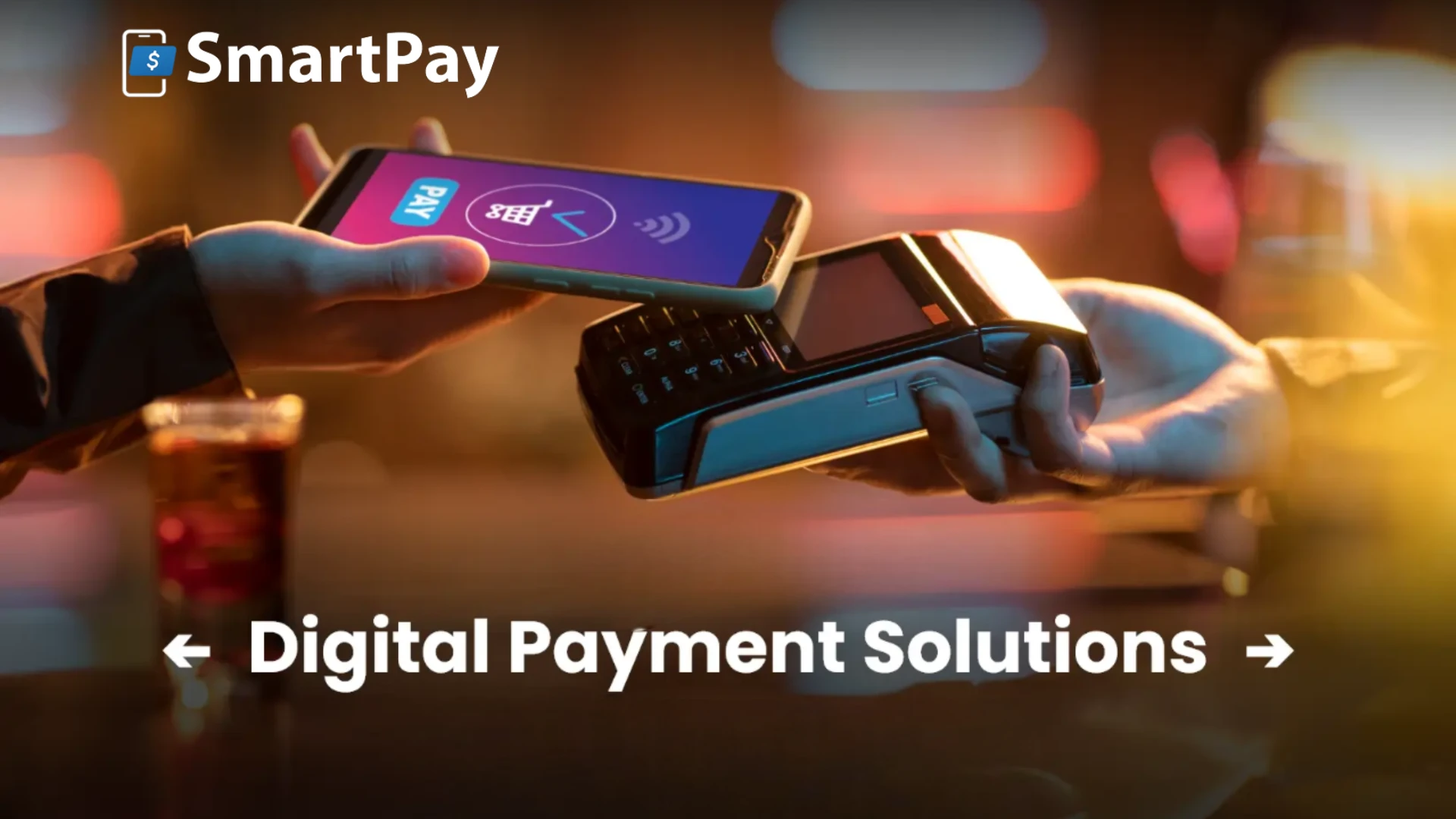
Any cash or paper cheque transaction completed electronically is considered a digital payment. These transactions take place through mobile apps, online payment gateways, bank transfers, or in-store card terminals. Modern payment methods are designed to be fast, secure, and convenient for both businesses and consumers.
The rapid growth of fintech innovation, open banking, and mobile commerce has accelerated the adoption of digital payments across the UK. As a result, businesses and customers are increasingly relying on secure online payment solutions for everyday transactions.
Why UK Businesses Are Switching to Digital Payments
Organisations across industries—including retail, hospitality, healthcare, logistics, and professional services—are modernising their payment processes to improve efficiency and enhance customer experiences.
Enhanced Customer Experience: Offering quick and convenient payment options can increase customer satisfaction and sales.
Improved Security: Technologies such as tokenisation, encryption, and two-factor authentication (2FA) help reduce fraud risks.
Automation: Businesses can streamline invoicing, receipts, reconciliation, and reporting processes.
Global Reach: Accept payments in multiple currencies and serve customers worldwide.
Essential Features of a Modern Payment Platform
When choosing a digital payment solution, businesses should look for the following capabilities:
Feature
Purpose
Why It Matters
Secure APIs
Process transactions safely in real time
Protects customer data and supports regulatory compliance
Digital Wallet Integration
Connect with Apple Pay, Google Pay, and other wallets
Provides customers with greater payment flexibility
Multi-Currency Support
Accept payments in GBP, EUR, USD, and more
Enables international business growth
Tokenisation
Replaces sensitive card data with secure tokens
Minimises fraud exposure
White-Label Solutions
Customise portals and customer communications
Strengthens brand identity and trust
Dashboard & Analytics
Monitor transactions and reporting in real time
Supports informed business decisions
Fraud Protection Tools
Detect suspicious activity and block threats instantly
Reduces financial and reputational risk
These features help businesses operate more efficiently while maintaining customer confidence.
Common Types of Digital Payment Methods
Today’s consumers expect flexibility when making payments, whether online or in person. Popular payment methods include:
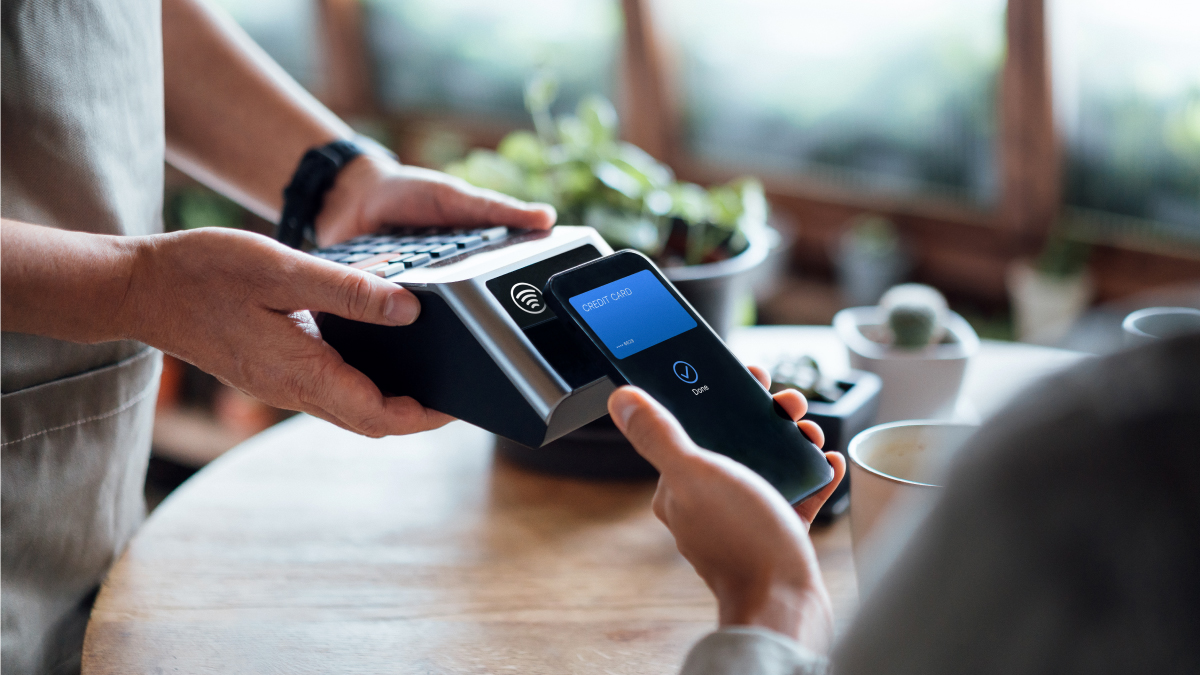
Mobile Wallets: Payments made through smartphones using services such as Apple Pay and Google Pay.
Credit and Debit Cards: Secure chip-and-PIN and contactless payment options.
Bank Transfers: Direct account-to-account payments suitable for larger transactions.
QR Code Payments: Fast mobile payments initiated by scanning a QR code.
Payment Links: Secure payment requests shared via email, SMS, or messaging platforms.
Offering multiple payment options can improve conversion rates and customer satisfaction.
Emerging Payment Trends Shaping the Future
The payments landscape continues to evolve, with several innovations expected to gain further traction in the coming years.
New Payment Methods to Watch
Voice-Activated Payments: Using voice assistants to authorise transactions.
Biometric Authentication: Verifying payments through fingerprint or facial recognition technology.
Cryptocurrency Payments: Expanding options for certain international and digital transactions.
Wearable Payments: Smartwatches and other connected devices enabling contactless payments.
Buy Now, Pay Later (BNPL): Allowing customers to spread the cost of purchases through instalment plans.
Businesses that embrace emerging technologies can strengthen their competitive position and meet changing consumer expectations.
How Digital Payment Services Work
Modern payment providers offer the technology and infrastructure needed to support secure transactions. Typical services include:
Merchant onboarding
Card and digital wallet issuing
Payment processing
Real-time transaction monitoring
Reporting and analytics
Customer support and dispute management
Whether serving a start-up or an enterprise organisation, these capabilities ensure smooth and reliable payment operations.
Choosing the Right Digital Payment Provider
Selecting the right payment partner depends on your business requirements.
Business Need
What to Look For
Low transaction volumes
Simple setup and competitive processing fees
High-risk industries
Advanced fraud prevention and chargeback management
International sales
Multi-currency support and global compliance capabilities
Subscription-based services
Recurring billing and payment automation tools
Mobile-first customers
Mobile app integrations and digital wallet acceptance
Not all providers offer the same features. Evaluating your business needs carefully will help you choose the right solution for long-term success.
Building Trust Through Payment Security
Security is fundamental to every effective payment platform. Leading providers typically offer:
PCI DSS Compliance: Ensuring secure handling of cardholder information.
Tokenisation: Preventing sensitive payment data from being stored on business systems.
Two-Factor Authentication (2FA): Adding an additional layer of account security.
Real-Time Fraud Monitoring: Identifying and responding to suspicious activity immediately.
Strong security measures not only protect businesses from financial losses but also help build lasting customer trust.
Scaling Your Business with Digital Payments
As businesses grow, payment systems must be capable of handling increasing transaction volumes efficiently.
Modern payment solutions support scalability through:
API Integrations: Connecting payment systems with CRM, ERP, and accounting platforms.
Cloud-Based Infrastructure: Delivering flexibility and reliability as transaction volumes increase.
Automatic Capacity Management: Supporting peak trading periods such as seasonal promotions and major sales events.
Customisable Payment Experiences: Adapting payment flows to different customer segments and markets.
From local businesses to international enterprises, scalable payment solutions enable sustainable growth.
The Future of Digital Payments in the UK
Several trends are shaping the next generation of payment experiences:
Open Banking: Secure account-to-account payments enabled through regulated APIs.
Unified Commerce: Delivering a seamless payment experience across online and physical channels.
AI-Powered Fraud Prevention: Using machine learning to detect and prevent fraudulent activity more effectively.
Sustainable Payment Practices: Reducing paper use through digital receipts and electronic billing.
Industry forecasts suggest that digital payments will continue to account for an increasing share of retail transactions worldwide. As consumer expectations evolve, businesses that invest in smart payment technologies will be better positioned to thrive in a digital-first economy.
Top Industries Using Online Payments Solutions
Indeed, these are some sectors leading the charge:
Healthcare: Co-Payments and bills completed online
Education: Tuition and application form fees are now paid online
Travel & hospitality: Secure mobile booking and contactless check-in
Logistics: Automatic invoicing with real-time payment tracking
Each of these takes advantage of digital payment solutions to keep operations running smoothly and customers happy.
Conclusion
From small shops to enterprise brands, the right online payment solution can deliver real growth. With changing customer behavior, pressure mounts for accepting secure, flexible, future-proof money. Choosing trusted providers and keeping abreast with the trends in the market. Not only will you be able to improve your internal operations, but also build loyalty and create a niche in an already crowded market.
FAQS
What are digital payments?
They are electronic transactions carried out through mobile apps, card readers, or online platforms without cash or checks.
How safe are digital transactions?
Quite safe when built-in encrypted systems, plus protocols like PCI-DSS for tokenization and authentication.
Which businesses gain the highest benefit from mobile and online payments?
Majorly, retail, health, education, hospitality, and e-commerce will benefit the most as these have the highest transaction volumes and high customer interaction.
Are there any charges to use digital payments?
Yes, there are charges with most providers that charge a fee per transaction, and that fee differs from volume to industry type to the features used.
How do I integrate digital and electronic payments on my website?
You can use payment APIs or plugins offered by your provider. Most platforms support Shopify, WooCommerce, and custom builds.