In 2026, speed, convenience, and control are key customer expectations. Self-service payment solutions allow customers to complete transactions independently through kiosks, terminals, mobile devices, and other digital payment systems without requiring staff assistance. From gas stations and retail stores to healthcare facilities and hospitality businesses, organizations are adopting these solutions to reduce wait times, streamline …
In 2026, speed, convenience, and control are key customer expectations. Self-service payment solutions allow customers to complete transactions independently through kiosks, terminals, mobile devices, and other digital payment systems without requiring staff assistance. From gas stations and retail stores to healthcare facilities and hospitality businesses, organizations are adopting these solutions to reduce wait times, streamline operations, lower costs, and deliver a faster, more convenient customer experience.
What Are Self-Service Payment Systems?
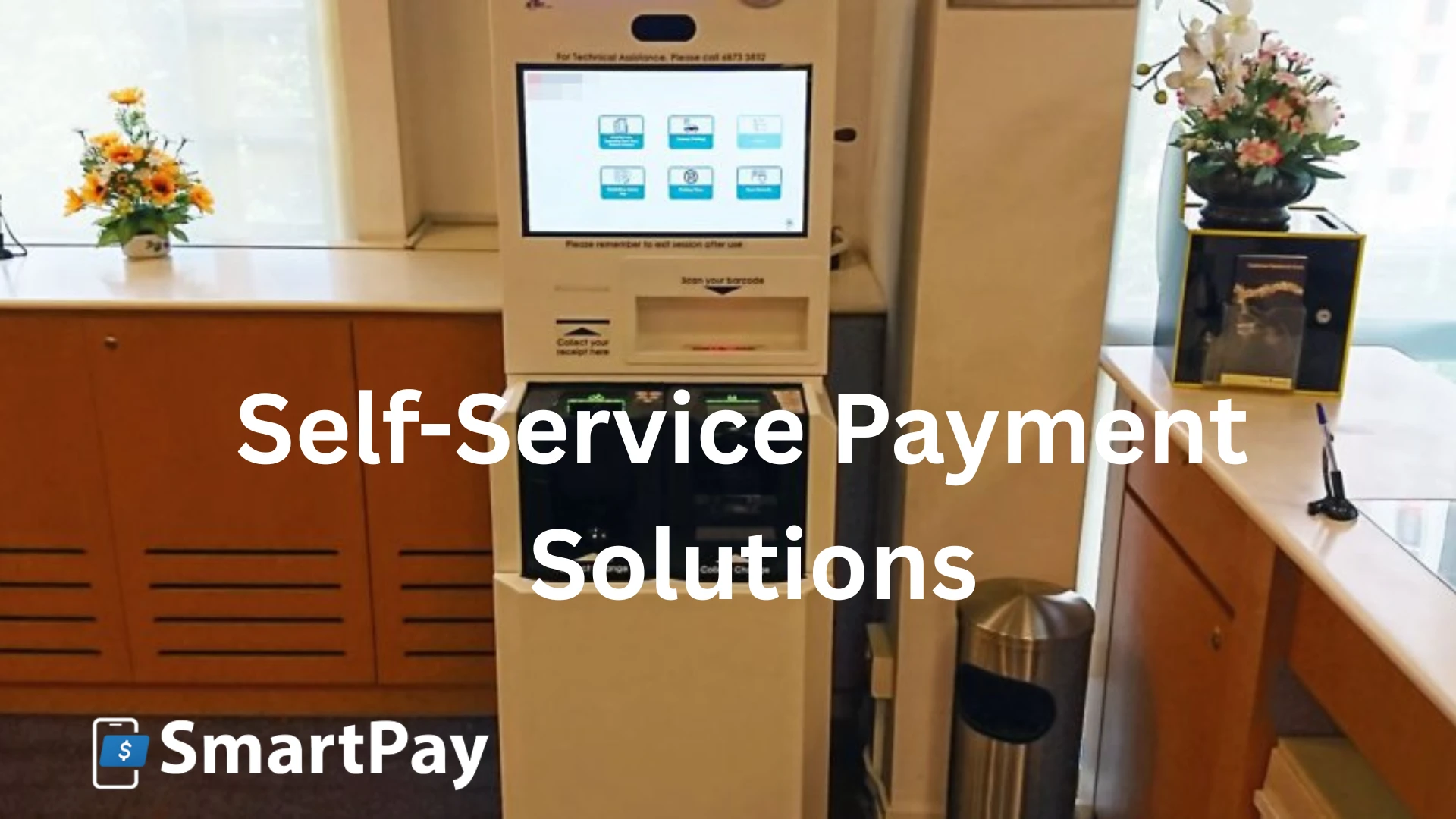
A point being emphasized, the self-service payment procedure allows people to be independent in conducting and ending a transaction. It generally includes the use of a machine or a digital fraud prevention interface, such as a kiosk or parking machine, to allow payment for goods or services without customer service interference. Therefore, placing an order with a desired fast-food restaurant, paying for groceries in a supermarket, or reserving seats for a favorite movie at an up-to-date cinema, self-service has etched its way into a common lifestyle.
Evolution of Self-Service Payments
The traditional notion related to retail was based on a trust-based framework that fostered person-to-person transactions. Technological advancements, especially those in secure digital payments, now bring a pivotal role in the development of self-service payments, which operate efficiently and are secure; enterprises in turn catered to customer demands with the digital deployment of kiosks across the board for anything related to shopping- from storing, to card payment, to mobile. Let’s explore some implementations in different industries.
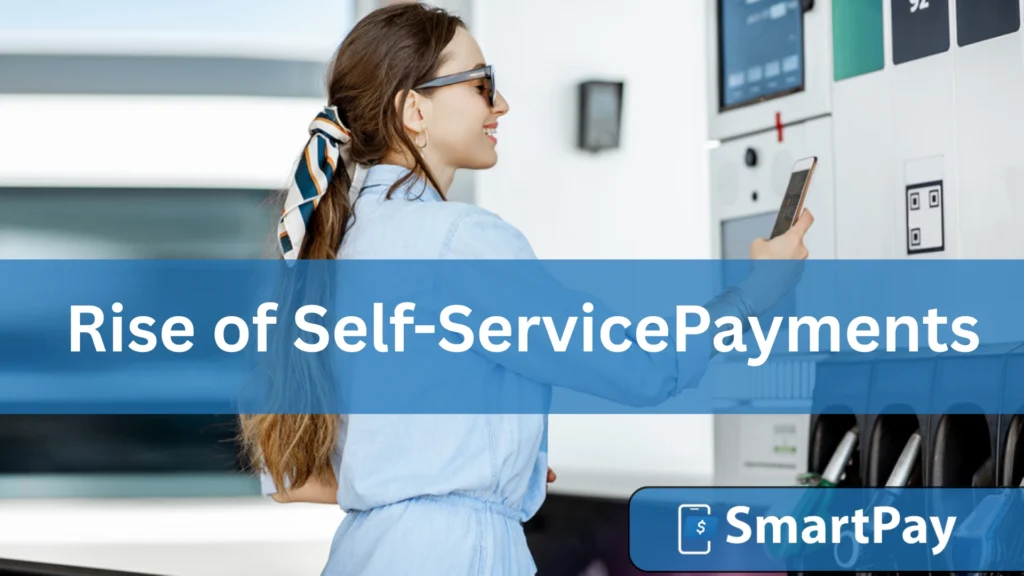
The Rise of Self-Service Payments
The adoption of self-service payments has surged due to several factors:
Convenience: Customers can transact whenever they feel like reducing their wait times and improving satisfaction.
Efficiency: Automated systems help streamline procedures, allowing businesses to serve more customers with fewer.
Safety: Contactless payments encourage less interaction, encouraging cleanliness and safety, and are almost a post-pandemic requirement.
Unattended Payments: A Game Changer
Unattended paymentsrefer to those transactions that take place without the presence of a cashier or attendant. This model is widely accepted in vending machines, parking meters, and self-checkout kiosks. With unattended payments, customers benefit from the following:
Pay Anytime: Customers can pay whenever because these types of payment are open 24 hours a day.
Lower Costs: Lower labor costs due to no need to pay for staff.
Scalability: Easily replicable throughout multiple locations without excessive changes to existing infrastructures.
Understanding Payment Service Providers
A payment solution service provider is essentially a third party that acts as an intermediary between businesses and consumers in the process of payment acceptance. Services offered by these payment solution service providers include:
Transaction processing: Payment authorization, settlement, and funding.
Security: Proven security measures such as encryption and tokenization to protect sensitive information.
Integration: Provision of APIs and tools for the integration of payment solutions into the pre-existing business system.
The Mechanics of Payment Service Providers
What is the working method of payment service providers? The process usually entails:
Transaction initiation: A customer initiates payment from a self-service terminal or an online web.
Authorization: The PSP checks with the buyer’s bank to confirm the existence of funds and approves the transaction.
Settlement: After authorization, the funds are transferred to the merchant account.
Confirmation: Receipts for the transaction are sent to both the customer and the merchant concerned.
Exploring Self-Service Payment Machines
Payment machines provide a self-service device created specifically for customers to transact independently. These include the following examples:
Self-checkout kiosks allow customers to scan items, effect payment, and bag them without the typical assistance of a cashier.
Ticket vending machines allow users to purchase tickets for transportation or events.
Parking meters allow an individual to pay for parking without needing an attendant.
Self-Assessment Payment Support
Self-service payment support refers to digital systems that allow individuals and businesses to review payment obligations, calculate amounts due, and complete payments independently. These platforms provide convenient tools and resources to help users manage their payments accurately, securely, and on time without requiring direct assistance from staff.
Self-Service Solutions
Self-service solutions cover just about anything that allows customers to do things on their own, without having to ask another person for help kiosks, mobile apps, and online portals all fall under the payment-solutions-through-self-service category of technologies that allow users to perform transactions without anyone being in the middle.
Online Self-Assessment Payment Methods
Online self-assessment payment methods are digital options that allow individuals and businesses to calculate amounts due and make payments for taxes, fees, or other obligations online. These methods provide greater convenience, allowing users to review their payment details and complete transactions securely anytime and from almost anywhere using a computer or mobile device. Modern platforms may also offer multiple payment options, automated reminders, digital receipts, payment tracking, and secure authentication. These features simplify financial management, reduce paperwork, minimize errors, and help users meet payment deadlines more efficiently while maintaining better control over their financial obligations.
Industries Benefiting from Self-Service Payment Machines
Retail: Retail took the lead in self-service payment machine technology adoption. Using self-checkout counters, checks can be processed faster during peak hours, cutting down the staff hours needed.
Food & Beverage: Kiosks are used by fast-food chains and cafés for ordering and payment, which reduce errors and enhance speed. Diners can customize their meals at their own pace while payments at the machine curb long queues at the counter.
Transportation: Kiosks and self-service payment machines are used in public transport systems for ticketing. Riders can buy or recharge cards conveniently without waiting in line, making commuting easier and more convenient.
Healthcare: Hospitals and clinics are now being fitted with kiosks to facilitate patient check-ins and bill payments. Kiosks help patients in updating information, making copayments, and receiving a receipt- certainly no more long queues!
Hospitality: Hotels tout self-service terminals for check-in, check-out, and room upgrades. Guests can pay, get their room key, and bypass the front desk altogether.
Parking & Toll Systems: Unattended terminal payment is being applied at the parking garages and toll roads. Drivers can pay practically without needing any staff interaction. These systems can be operated at any time and accept various means of payment.
Conclusion
Self-service payment solutions are transforming how businesses accept payments and interact with customers in 2026. By enabling customers to complete transactions independently through kiosks, terminals, and digital devices, these solutions can streamline operations, reduce staffing and processing costs, minimize wait times, and improve convenience. With secure and reliable technology, businesses can create faster payment experiences while maintaining strong customer service and operational efficiency.
Faqs
What are the benefits of self-service payment solutions?
Self-service solutions offer increased convenience along with shortened queues for a better customer experience with automation, all of which translate into savings for a business.
How secure are unattended payment systems?
Unattended payment systems nowadays are highly secured. They protect sensitive data from fraudsters through encryption and tokenization.
Do self-service kiosks accept cash payments?
Yes, many self-service kiosks have bill acceptors and change dispensers options, allowing customers to pay cash.
Are self-service payment solutions great for small-scale businesses?
Definitely. Self-service payment solutions are scalable solutions for all sizes of business, cost-effectively and efficiently.
What are the factors for choosing a payment service provider?
When selecting a payment service provider, I will consider things like transaction fees, integration modes, security aspects, and support services.